
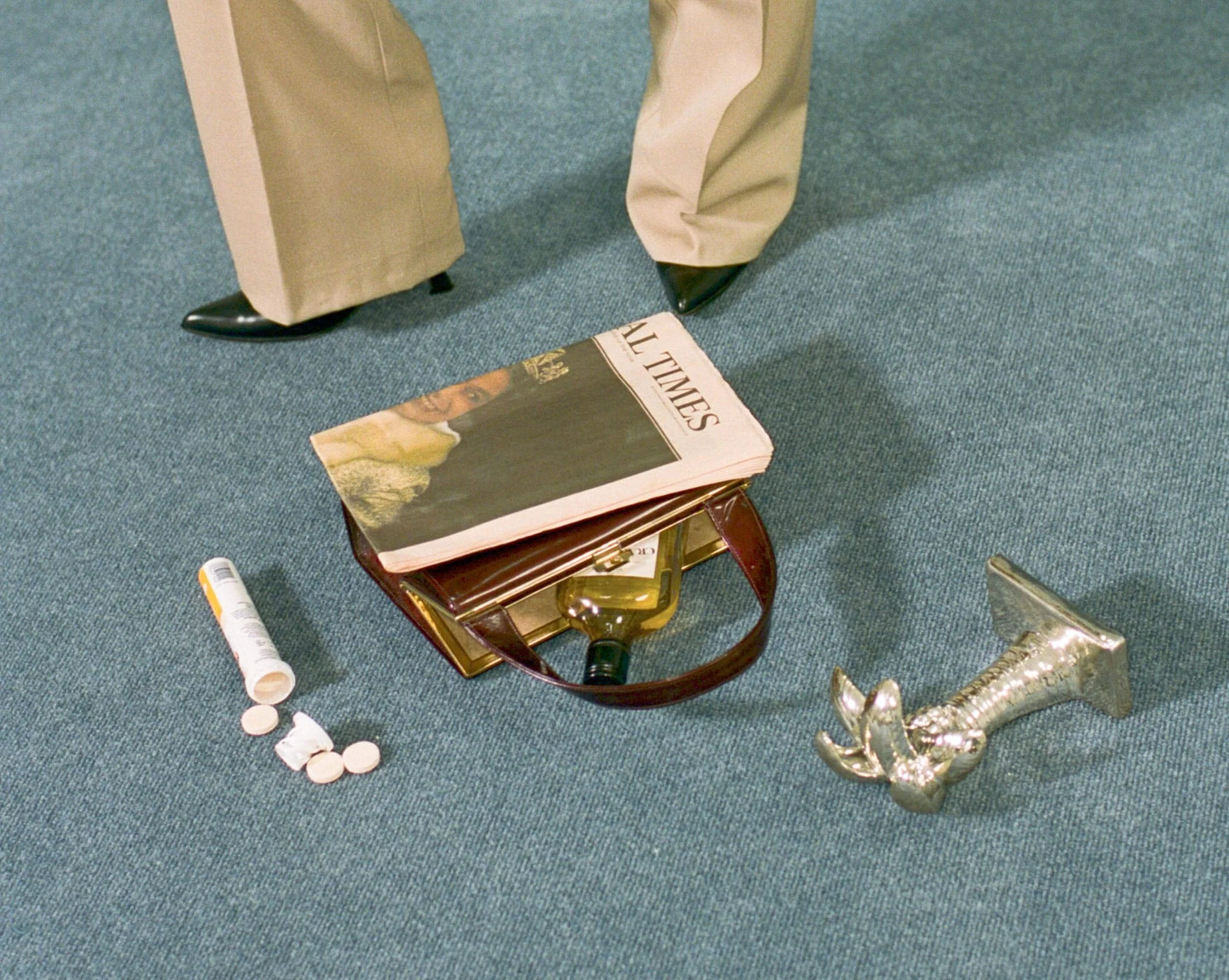
SHAHRAM SADAAT
Catches What Slips Between The Hours
written + interview HANNAH ROSE PRENDERGAST
Some sports aren’t sports at all. And yet, the groceries won’t take themselves in. Every day runs its course, but Shahram Saadat is there for the moment it falters — shut out in the hiss of closing doors. What most overlook, he catches instinctively, letting the absurdity frame itself. Life is so good at this; we rarely bother to notice everyone trying to make it in one trip. For now, you are here.
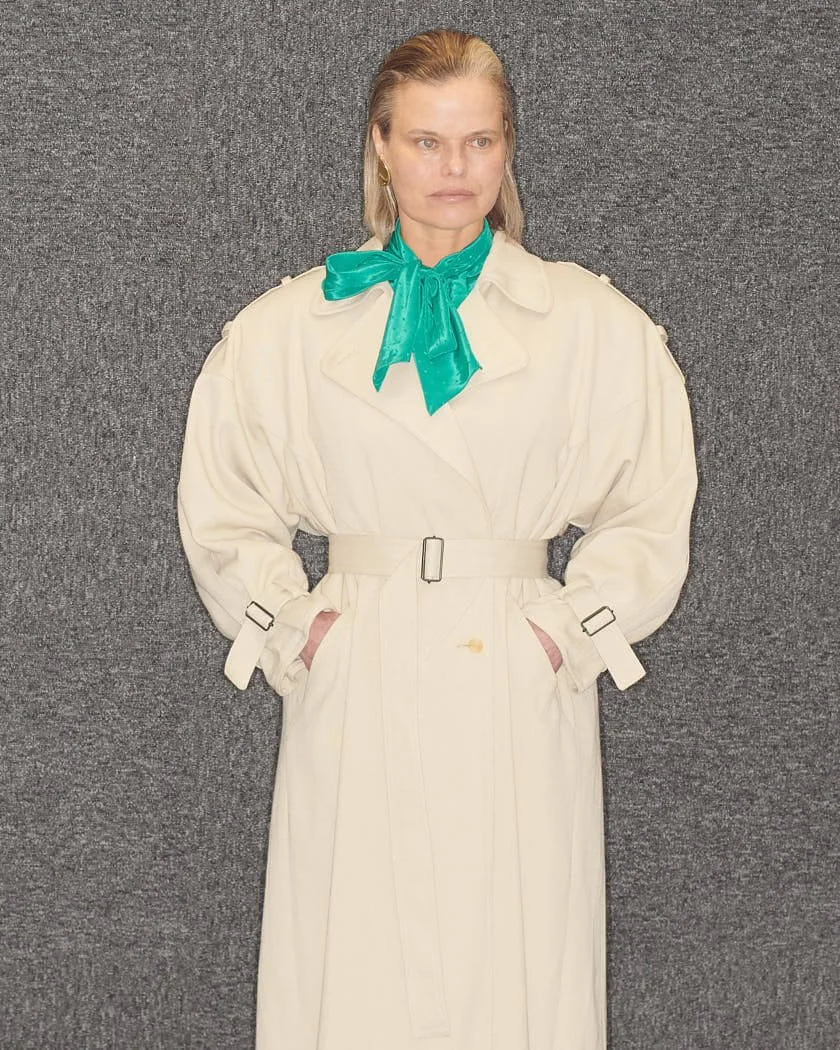
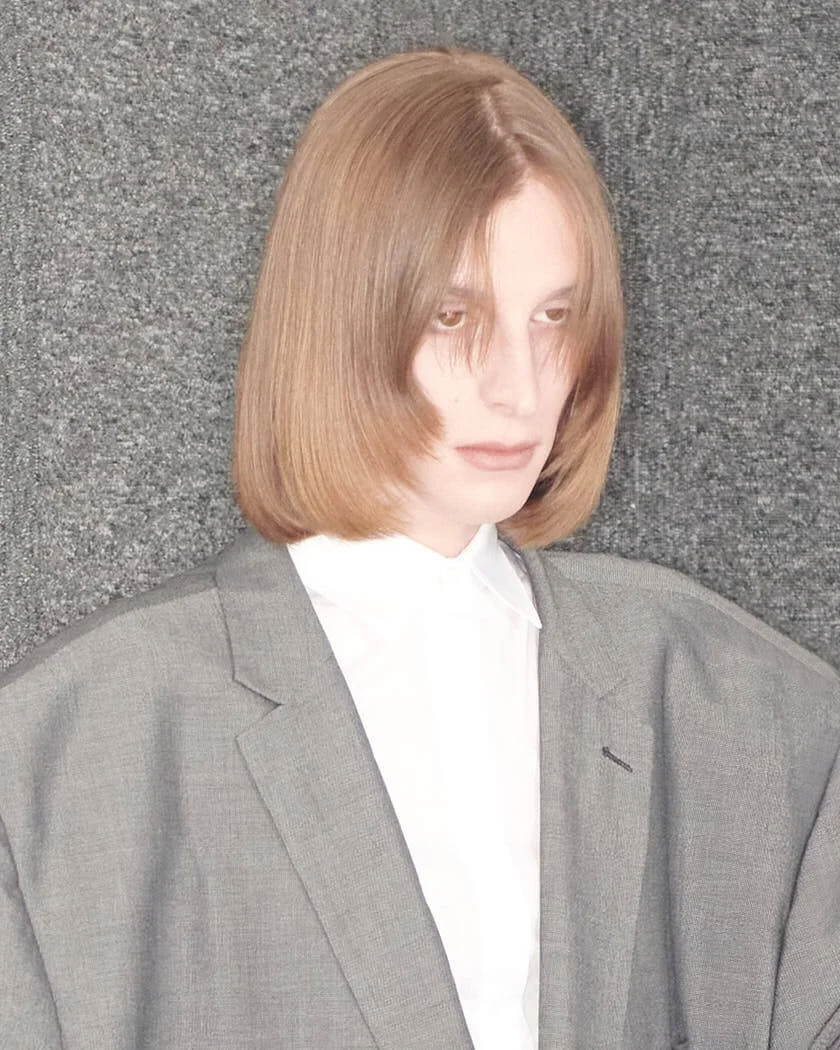
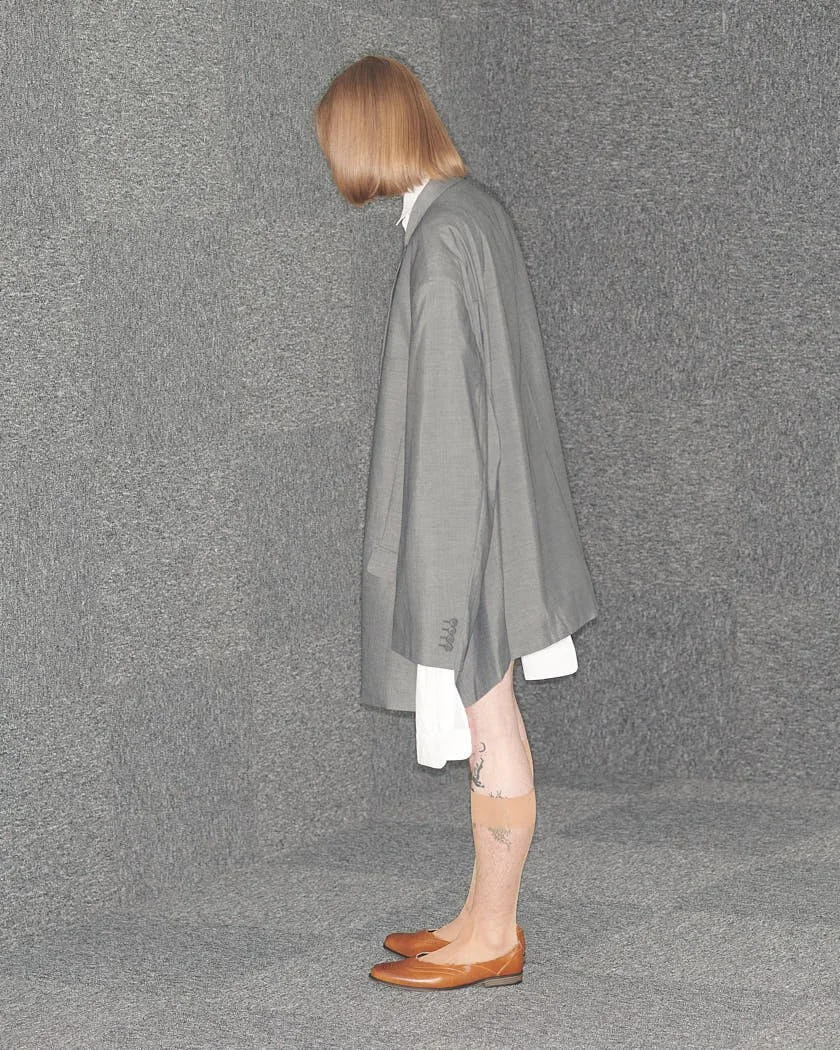
Photography by Shahram Saadat. Styling by Katie Shaw. Hair by Moe Mukai. Make-up by Stevie Squire. Casting direction by Emma Matell with casting assistance from Oliwia Jancerowicz. Set design by Sophia Willcox. Production by Sophie Hambling. Photo assistance by Dylan Massara with styling assistance from Sorcha Kennedy. Design by Stela Kost. Set assistance by Oliver Bell. Models: Cam, Don, Freddie, Isabella, James, Lian, Patrick, and Sarah.
Hannah Rose Prendergast
How has growing up between British, Iranian, and French cultures shaped your perspective and the relationships you form through the camera?
Shahram Sadaat
I’ve always lived between cultures, surrounded and shaped by them — but never fully belonging to just one. Growing up in different countries with parents from different backgrounds, I picked up pieces of each place: the language, the food, the traditions, the humor. I’ve learned to adapt, to blend in, to understand people from all walks of life. At the same time, I’ve often felt like an outsider, carrying parts of many homes without ever fully settling into one. It’s a strange in-between space, but it’s also where I feel most myself. My identity isn’t tied to one culture or place; it’s made up of all the little things I’ve absorbed along the way.
You staged Target Practice in Norwich in 2022 — a setting far from American gun culture, at least on the surface. What unexpected parallels stood out to you?
Target Practice was part of an ongoing series exploring the social dynamics and demographics of British cities. Each project involved traveling to a new location with a concept in mind, allowing the work to unfold through spontaneous interactions with locals. I found striking similarities: a shared fascination with control, threat, and spectacle, shaped by media, pop culture, and imported imagery.
Working with “real” people rather than actors brought a rawness to the project. Many participants were initially taken aback by the setup, but they quickly leaned into it — adopting poses, expressions, and gestures that revealed both playfulness and deeper social conditioning. It was in these unscripted moments that the tension between reality and performance became most visible.
How do you navigate the responsibility of representing a community you’re both part of and apart from?
It means holding a unique and sometimes challenging position: speaking from lived experience while also acknowledging that my perspective may not align perfectly with those who feel deeply rooted in that community. I carry parts of the culture with me — its values, stories, and struggles — but I also observe it from a distance, shaped by my own mixed background and experiences.
This dual position gives me the ability to translate, to bridge, and to connect. At times, it feels like I’m walking a tightrope, trying to honor the culture without claiming to speak for everyone in it. It also gives me a deep sense of responsibility: to listen carefully, reflect honestly, and represent with humility and care.
In both Jogging with Shopping and Out of Office, you explore how wellness and burnout are performed rather than felt. What draws you to these displays of efficiency and exhaustion?
We’re constantly under pressure to live efficiently — eat well, exercise regularly, and never waste a minute. Jogging with Shopping came from observing people in East London, where these expectations collide in everyday life. Society tells us to stay fit, eat healthy, and be productive, but also not to let any of it slow us down. So we merge it all — jogging with shopping bags. It’s a reflection of how wellness and efficiency get tangled, turning even self-care into something performative and rushed.
We’ve learned to wear exhaustion like a medal. In a world that measures worth by output, showing how drained we are becomes a way to prove we’ve tried hard enough, cared enough and pushed far enough. It’s not just something we feel — it’s something we display, hoping our struggle will be seen and, maybe, finally, validated.
How do you think our relationship to images has shifted, especially in the age of AI and visual manipulation?
We’re more skeptical than ever — even real images or videos can feel suspect. At the same time, we’re also more vulnerable to falsehoods, because manipulated content can look so convincing. The line between what’s real and what’s fabricated has blurred, forcing us to question not just what we see but how we decide what to trust. Believability now relies less on what looks true and more on context, source, and critical thinking.
For me, it’s less about exaggeration and more about reflection. Performance and documentationbegin to overlap — you’re not creating the surreal, you’re revealing it. In those moments, thework becomes a mirror, holding up the chaos, contradictions, or humor that already exist. It’sless about inventing absurdity and more about finding clarity within it.
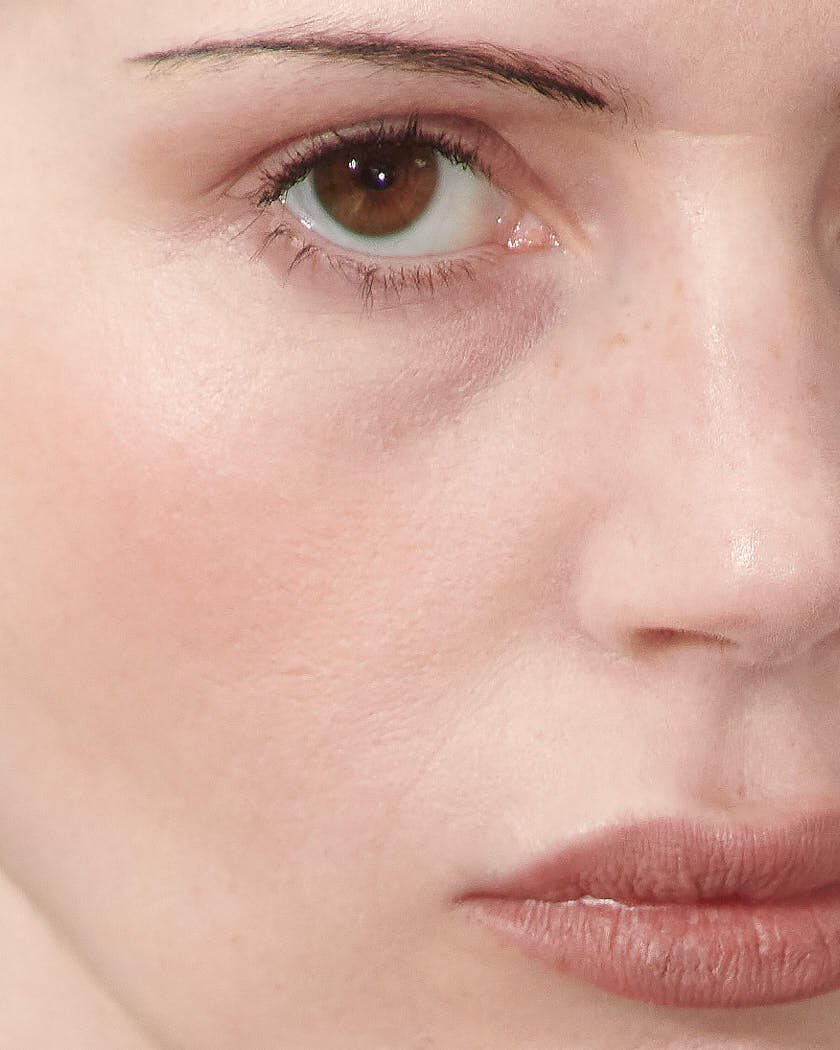
“Machines give us structure in a world that rarely slows down.”
Shahram Sadaat speaks with Hannah Rose Prendergast
for Offline Edition - FW 2025 Nr. 39
How does going cashless change not only how we spend, but how we value ourselves?
When money becomes invisible, transactions feel less personal and more abstract. We’re less aware of what we’re giving up, and that can blur the emotional weight behind our choices. At the same time, with digital payments and financial tracking, our worth can start to feel tied to numbers on a screen — credit scores, spending habits, digital footprints — rather than our real-world character or contributions. In a cashless world, there’s a risk that self-worth becomes more transactional, more measurable, and less human.”
In The Whale (2024), the car wash becomes “a forced moment of respite.” Why do you think we rely on machines to grant us permission to pause?
Machines give us structure in a world that rarely slows down. Notifications stop, timers end, apps tell us to breathe — it’s as if we need external validation to justify rest. In a culture that values constant productivity, a machine’s signal can feel more acceptable than our own intuition. It becomes easier to listen to an app than to our bodies or minds, because we’ve been conditioned to associate rest with guilt — unless it’s scheduled, measured, or approved by something outside ourselves.
What place does Duende hold for you and the wider community?
Duende began as a gallery space and continues today as a publishing platform. Co-run by Sophie Hambling and me for several years, our mission was to showcase emerging artists with a strong emphasis on community and accessibility. As our practices evolved, it became more challenging to maintain a regular exhibition schedule. Duende remains active, though — we continue to participate in international art fairs and publish editions throughout the year, keeping the spirit of the project alive in a more flexible form.
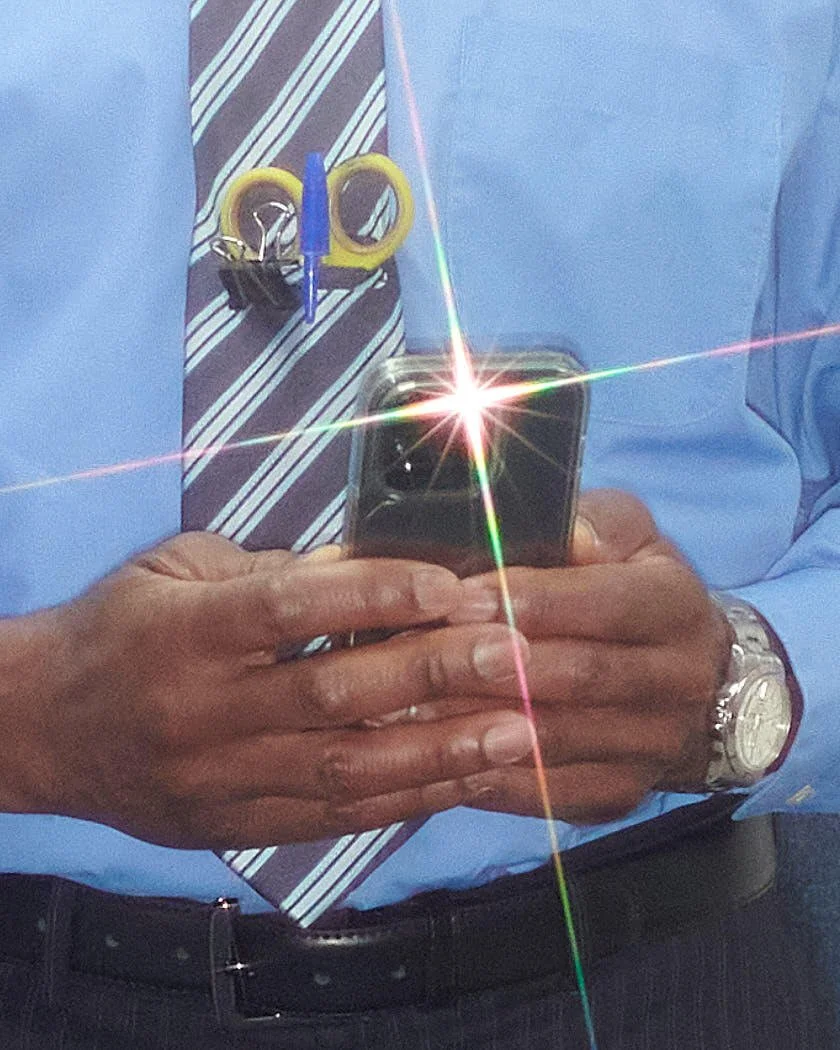
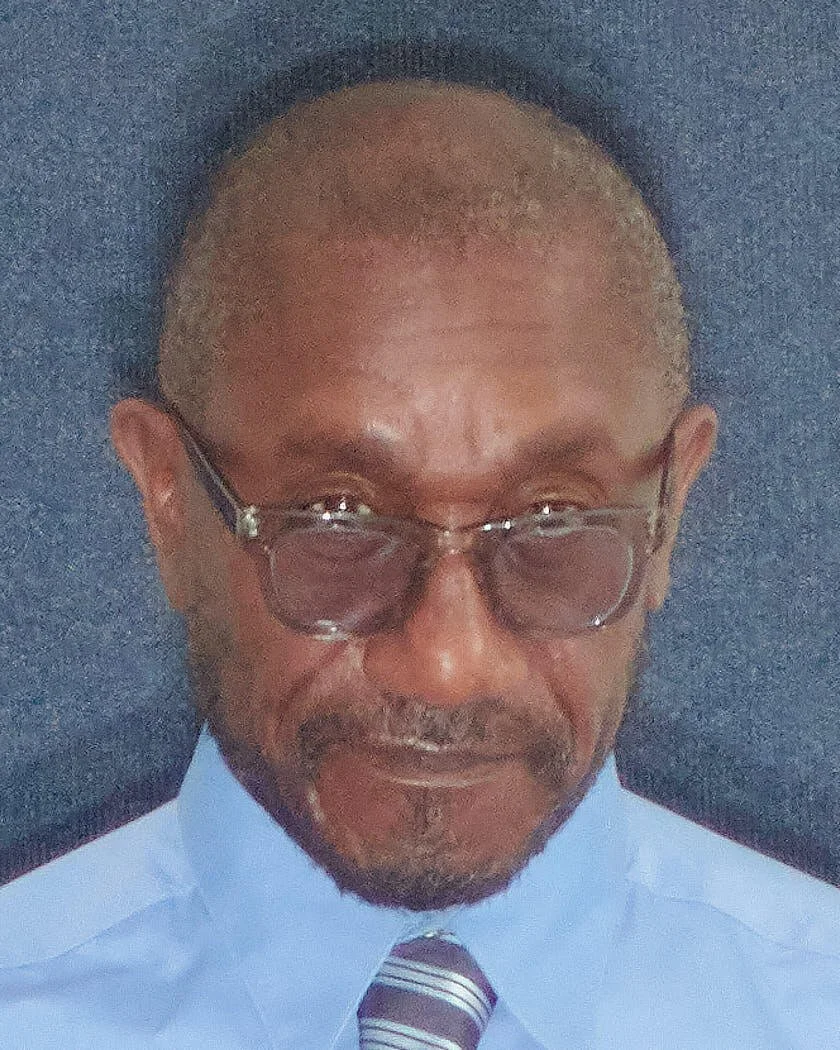
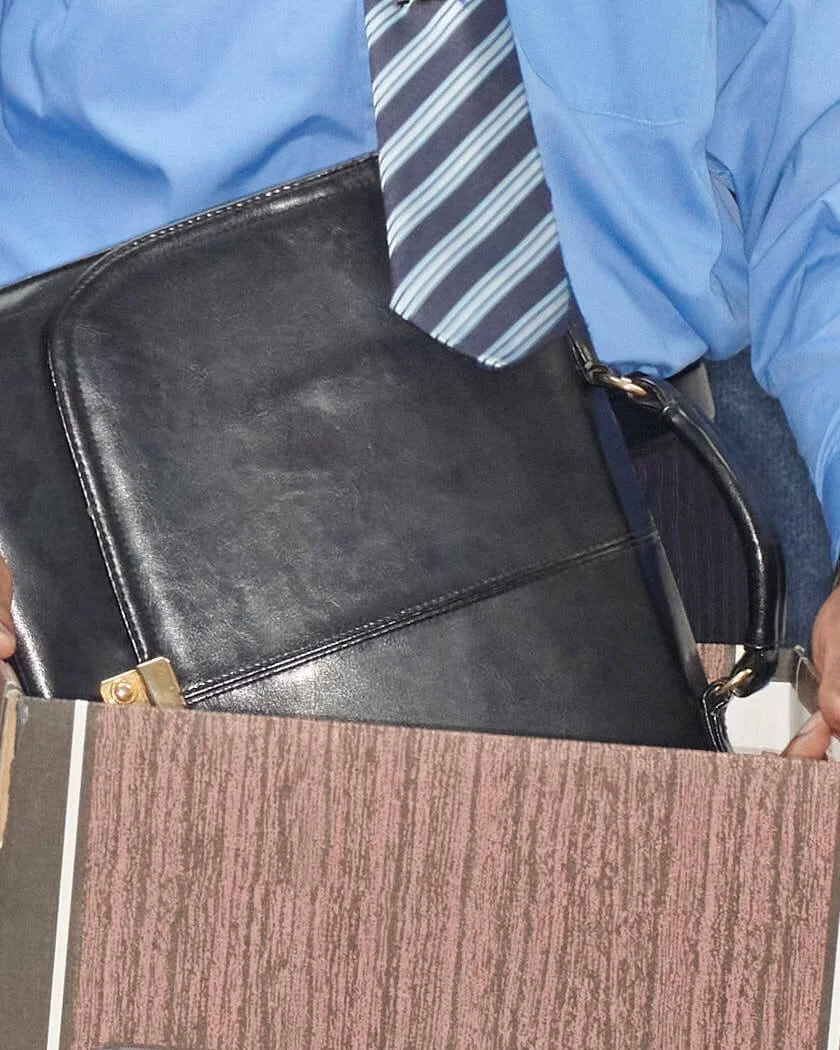
What makes a compelling lookbook image?
It comes from the everyday — those small, often overlooked moments that carry their own strange poetry. I’m drawn to the idiosyncrasies that naturally unfold: a misplaced object, an awkward gesture, a clashing pattern. These aren’t staged or manufactured — they just are. But when you frame them in a photograph, they take on new weight. You’re not just documenting something mundane; you’re elevating it. You’re exposing its quiet absurdity or beauty. In doing so, you heighten that strange, liberating feeling of who the fuck cares — a kind of irreverence that resists perfection and embraces the mess of real life. It’s not about spectacle; it’s about attention — seeing what’s already there and choosing to care just enough to capture it.
What’s the secret to successful living?
I have no idea. Let me know if you find out!
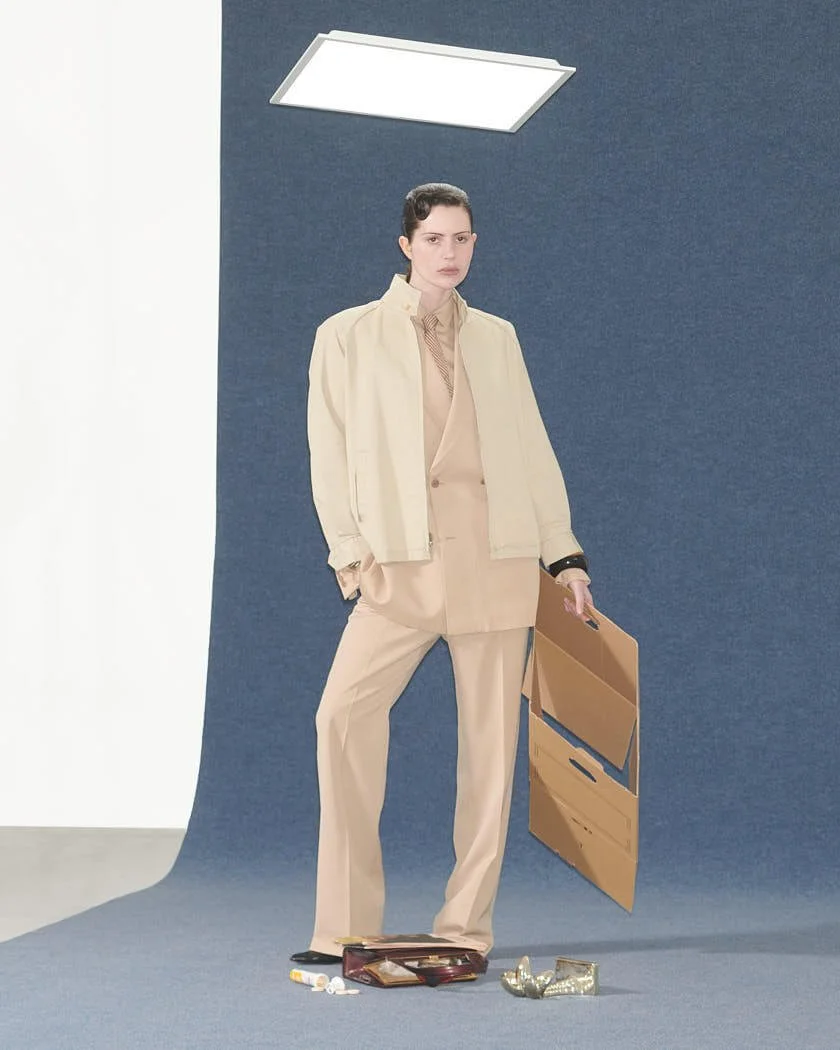
“When money becomes invisible, self-worth risks becoming transactional.”
Shahram Sadaat speaks with Hannah Rose Prendergast
for Offline Edition - FW 2025 Nr. 39
all photography (c) Shahram Saadat